
originally a thread on X / Twitter — @lucienloiseau · Jul 26, 2023
-
For a technology enthusiast like myself, China is fascinating in many aspects but the most interesting to me so far has been the rich micropayment ecosystem enabled by WeChat and QR-code. A thread on some of the use cases I discovered in just a single week in China. 🧵
-
The first micropayment use case of WeChat is the ability to send money to your contacts 🧧
This is done as part of a conversation. Transfer some money, the contact accepts it and it is done. The experience is as fluid as sending an image. Imagine that in WhatsApp!
-
There's also actual payment, similar to Visa. To pay you scan a merchant's QR code and transfer the amount 💸
Another way to settle a payment is to generate a one-time QR code on your own phone and let the merchant scan it to claim the money himself (you'll have to confirm).
-
This payment process is part of everyday life in China 🍜 Every shop, and I mean everyone, has its QR code plastered visibly! Paying is so convenient!
But then, I discovered the whole miniapp universe 🤯...
-
A miniapp is basically a website that you access from within WeChat but it logs you in automatically with your WeChat ID! Plus the website can make payment calls to your wallet.
A miniapp can be opened simply by flashing a QR code with WeChat 📱 You see those everywhere, like...
-
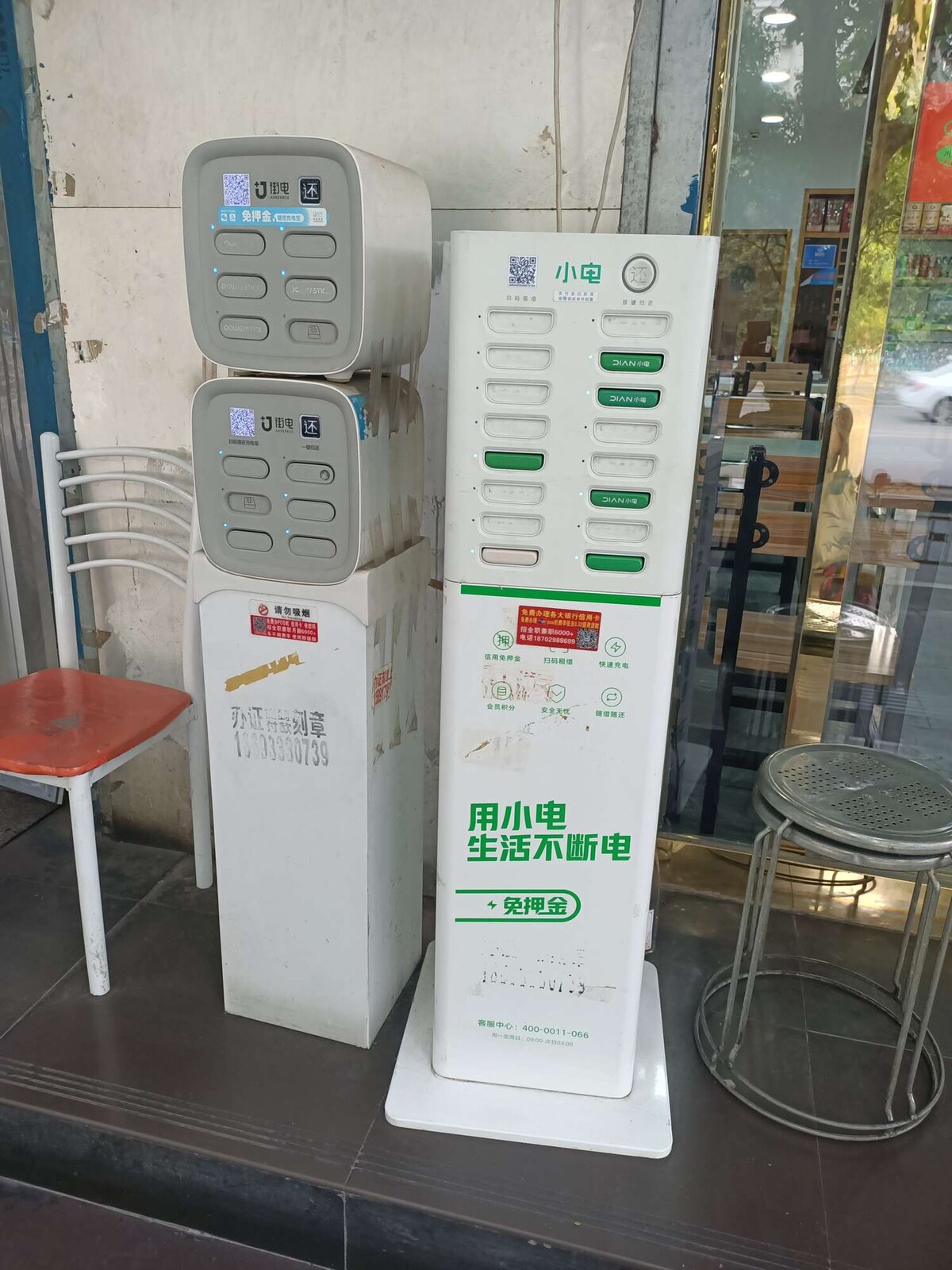
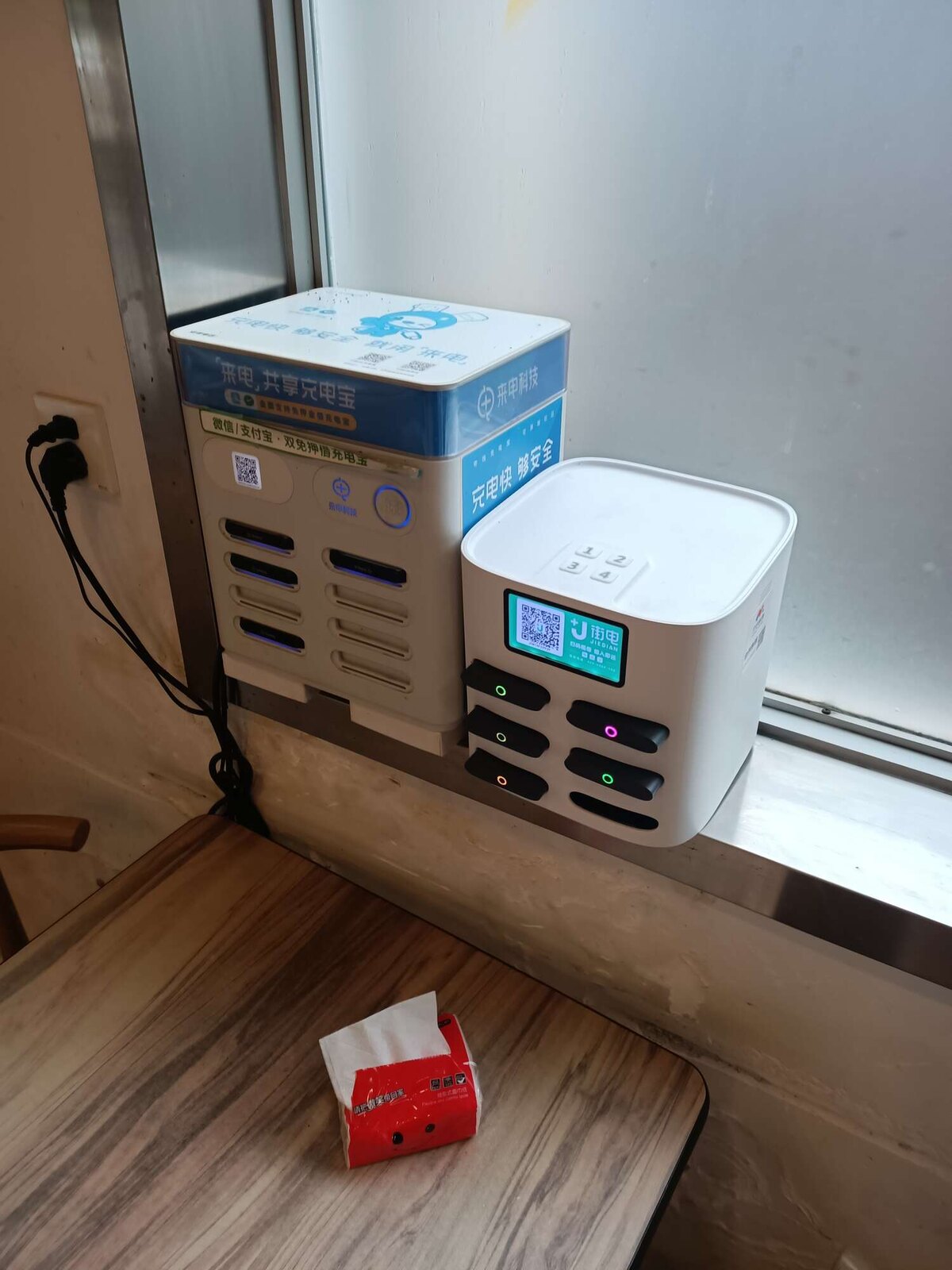
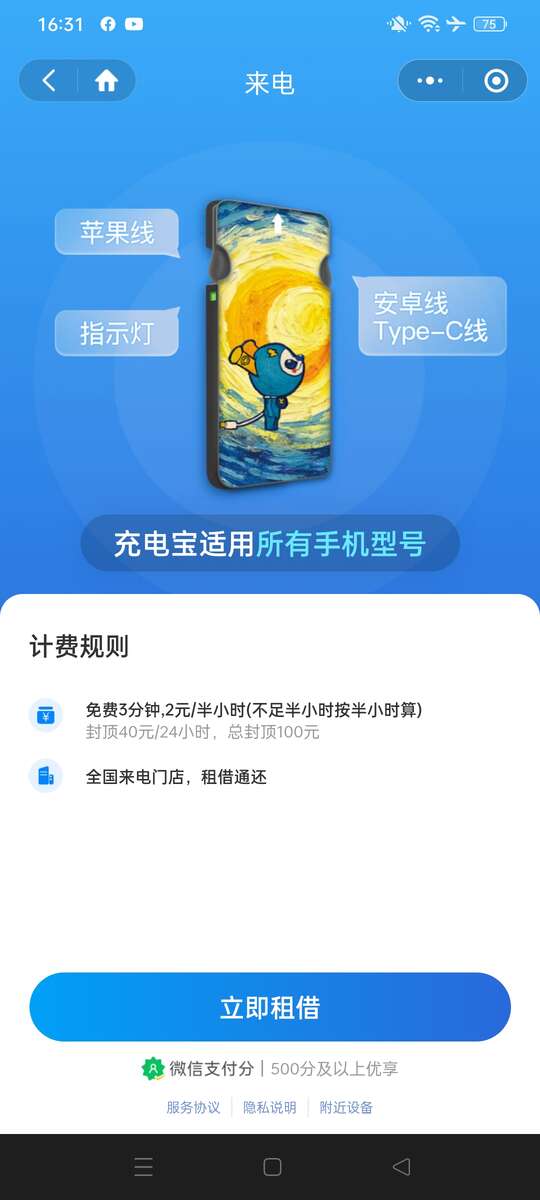
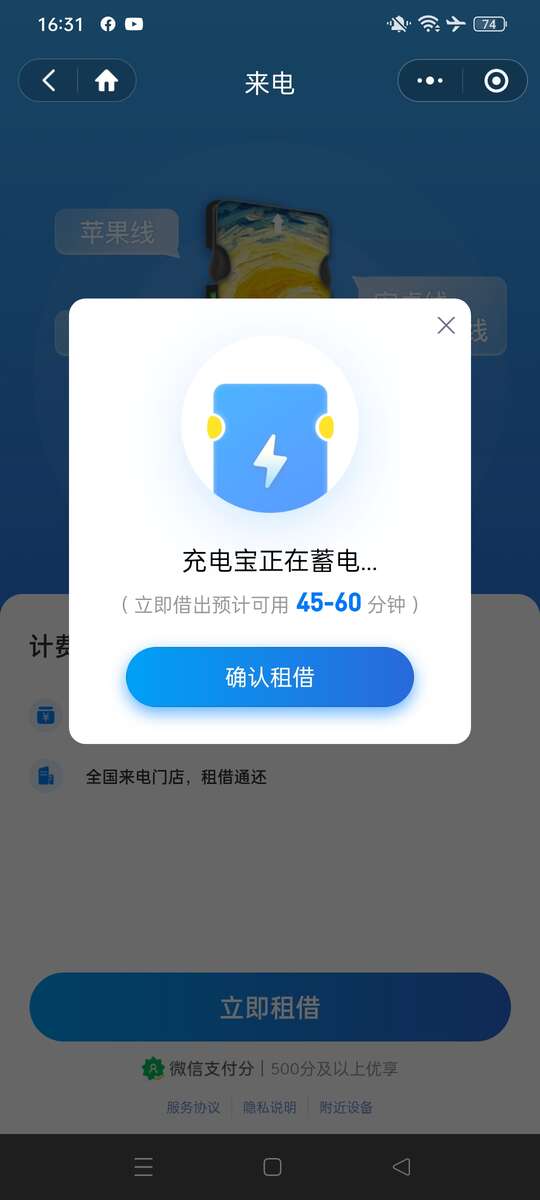
You can borrow a powerbank ⚡️ from any of those stations. You open the miniapp by flashing the QR code, click a button and it lets you pick a powerbank. It also holds some money temporarily and releases it when you put the charger back (in any other station), minus the service fee.
-
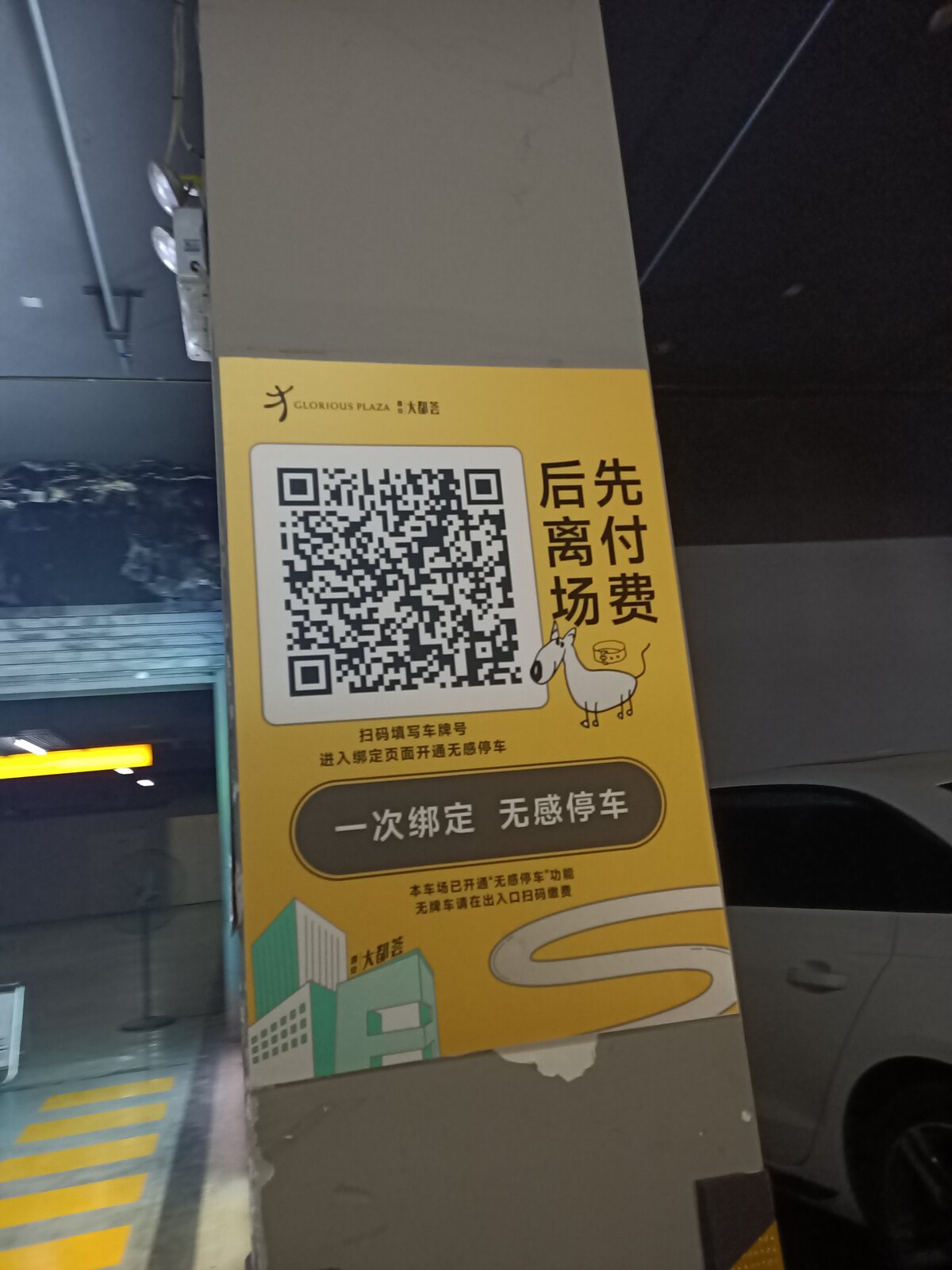
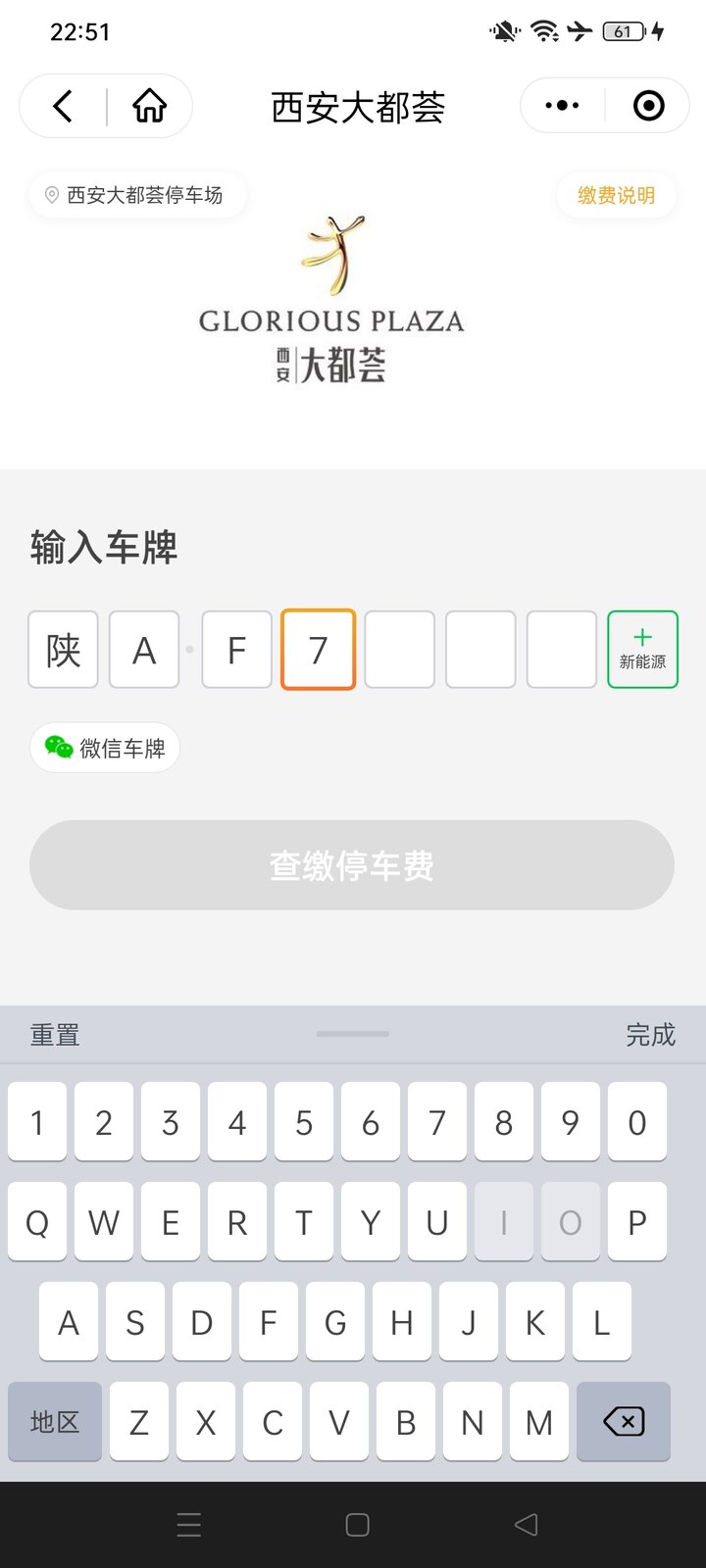
Going down a parking lot 🚗 your license plate is automatically flashed. To exit, you scan the parking miniapp which lets you input the license plate manually (just one time, it will remember for next time), pay the calculated amount (based on time) and the gate opens!
-
A fun one now! There was this street singer with a QR code at her feet 🎤
I thought it was just to transfer money — however the QR code opened a full featured miniapp that lets you pay a certain amount to pick the next song from the list for her to sing!
-
While visiting a buddhist temple, there was a dispensing machine to get free burning sticks. Of course the distribution was managed through a miniapp — it gives you 3 sticks and after dispensing it lets you choose an amount for your contribution to the temple 🙏
-
Restaurant is a huge use-case 🍲 Often there's just the basic QR code payment.
But sometimes you have a QR code per table that opens a miniapp you can use to order directly. No one to take your command — you order, it is served and automatically adds up to the bill.
-
The subway system also has its own miniapp that acts as your transit card 🚇
You flash the one-time QR code generated by the miniapp to the gate optical reader. There's no "top-up" since the transit card is linked to the wallet already — you pay when you exit the subway.
-
So how are miniapps different from a mobile app with in-app payment? Well first, WeChat doesn't charge an abhorrent 20% service fee per payment 🤡 but a mere 0.6%. But most importantly there's no installation process, no sign-up, no linking to a bank account — it is frictionless.
-
A miniapp is actually closer to a web app — however WeChat provides a developer-first platform with built-in identity and payment primitives. It feels a lot like web3, minus the decentralization. Web 2.5 maybe 😅?
-
Indeed, my web3 experience with UX like MetaMask feels very similar in terms of self sign-in and wallet interactions. Of course web3 lacks the real-world and day-to-day use cases but technically it is the closest we have outside of China.
-
Even though stablecoins were one step in this direction, there's still a lot of practical issues for crypto to catch up with WeChat: key custody, scalability, regulations, blockchain interoperability, ledger transparency (a hugely overlooked issue), ecosystem explosion, etc.
-
Yet, being in China and seeing how WeChat so casually blends with everyday life to bring trust and convenience is very inspiring to me — it embodies the very essence of money as a technology.